The NFL's Big Bet on Bad Bunny—Why didn’t brands run with it?
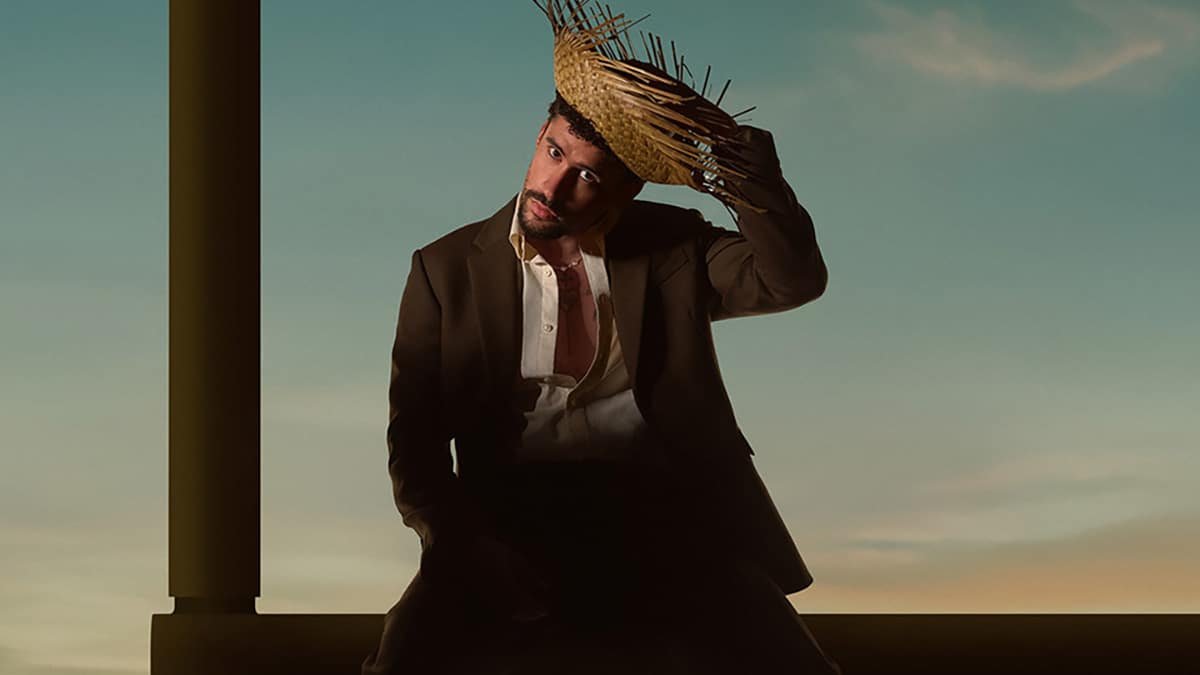
Photo by Sean Mattison and Rose Marie Cromwell
When it was announced —Bad Bunny sitting atop the goal post—group chats erupted.
The timing was perfect, coinciding with the end of his residency in Puerto Rico. It was a brilliant continuation of his political protest about US policies, marking his one and only US mainland show.
I had the opportunity to see Bad Bunny's residency in Puerto Rico, and it was everything people describe: part magic, part collective protest, and full of love for Latinos.
Bad Bunny's popularity isn't just because his music is fun—it's because he is a culture bender who bridges across generations. He doesn't fit into the box that so many artists conform to for likability. The NFL knows this, fans of his music know this, and more importantly, the global audience the NFL is trying to reach knows this. The league announced it will play nine international games in 2026.
As we all know, the choice came with significant political tension. Bad Bunny has met the moment with so much grace, dignity, and composure. He’s not trying to control the narrative around him; he’s proving to everyone that you can show up for your community without being antagonistic.
When the NFL’s Tim Ellis, EVP, CMO, took the stage at the Association of National Advertisers’ packed marketing conference last October, someone asked if the NFL regretted booking Bad Bunny for the Super Bowl halftime show. His reply was definitive: "Not everyone is going to like everything we do."
This candid acknowledgment captured something essential about the NFL's strategy—they know what brands don’t seem to be recognizing – that you can’t just play to existing fans if you want to grow your audience.
The NFL's Intentional Pivot
Ellis explained the league's deliberate move to reach a broader, younger, and more global audience. Explaining that their own research showed they needed to connect with potential fans by age 18 to secure long-term growth.
As the first Latino and Spanish-speaking artist to headline the Super Bowl halftime show, Bad Bunny wasn't a safe choice—he was a strategic one targeting the U.S. Latino population of more than 70 million people, whom NFL Commissioner Roger Goodell identified as a "critical growth area."
At Team Friday, we know the complexities of reaching a multi-ethnic, multi-racial population. Music has always been the great translator that crosses cultures and moves people. Bad Bunny crosses all the boundaries, and brands are showing up because they understand the value of the audience draw, but unfortunately, not who is in the audience. They understand the business moment but not the cultural one.
The Cost of Playing It Safe
There is a cost to playing it safe. It's less interesting. It's less creative. It doesn't help you grow an audience that is craving an honest reaction to the world we're currently living in. And safety does not build trust.
The NFL gave brands a considerable amount of cover, and brands missed the opportunity for collective risk-taking—a strength-in-numbers approach to grow into new territory. When the league itself takes a bold stand, it creates a permission structure for advertisers to do the same. Instead, most brands retreated to familiar formulas.
At a time when every news alert seems to deliver a seismic jolt, the Super Bowl ads we've seen so far have mostly touched on safe subjects—leaning on nostalgia, comedy, celebrities, and patriotism. Who does that safety serve? Certainly not the varying generations of diverse fans waiting for brands to understand that their dollars have a choice. It’s a safe play for their existing fans.
Team Friday’s work in cross-cultural communities, particularly in conversations with Gen Z and Gen Alpha, confirms that they want brands to have real conversations with them. Trust levels vary dramatically across markets and demographics, with younger audiences particularly attuned to authenticity. Brands willing to take genuine stances—rather than playing it safe—can build deeper connections with these critical audiences.
Three standouts for us in the current batch of Super Bowl commercials are e.l.f. cosmetics, Claude, and him and hers. e.l.f. Cosmetics plays into the hilarity of telenovelas’ over-the-topness, starring Melissa McCarthy and iconic telanovela actress Itati Cantoral. It’s a clever nod to the online chatter of learning Spanish to connect to the half-time experience. Claude positions itself as the less creepy AI chat option. It addresses real consumers’ skepticism around the use of data for targeting advertising in their chats. The hims and hers ad highlights income inequality and fair access to healthcare services. A pressing subject on every American's mind.
There are fifty celebrity appearances by the time I’m writing this. This begs the question for us who look at cross-generational appeal – do brands truly understand the complex needs of their consumers, or are they just throwing famous, nostalgic spaghetti at the wall?
Budweiser, as iconic as the Clydesdales are, feels like the most predictable and safest play of the day. Even for rural appeal, it feels tired. How are they using this moment to bridge the multiple versions of “America” that exist?
The NFL demonstrated that understanding your audience's evolution and having the courage to meet them where they are, rather than where you wish they were, is undoubtedly the path to sustainable growth.
The 2026 Super Bowl is the grandest confluence of culture, media, entertainment, music, celebrity, language, cross-generational audiences, sport, and, dare we say, politics – moment in America. Team Friday's purpose is to help brands make sense of these intersecting cultural ecosystems for long-term growth that goes beyond simple demographics.
Even though I'm just a casual fan, the Super Bowl is the one game I never miss—not when I was celebrating my 40th birthday in New Orleans during Mardi Gras, not when I had to find a random bar in Guadalajara to watch the epic Dr. Dre led performance, my LA pride beaming. Most years are spent on my parents' couch with my Dad, celebrating our February birthdays together, and watching his favorite game.
To me, the Super Bowl has been a constant source of gamesmanship and creative risk. I still credit BBDO's iconic 1998 Super Bowl ad "Apology" for FedEx as the commercial that made me fall in love with advertising. We may be wishing for the simpler times of 1998, but consumers are deserving of brands that can meet this moment.
Bravo to the NFL, Bad Bunny, Apple Music, and Roc Nation for making the boldest moves, raising the stakes, and kicking off what Team Friday hopes to be a redefining era for American Culture.